
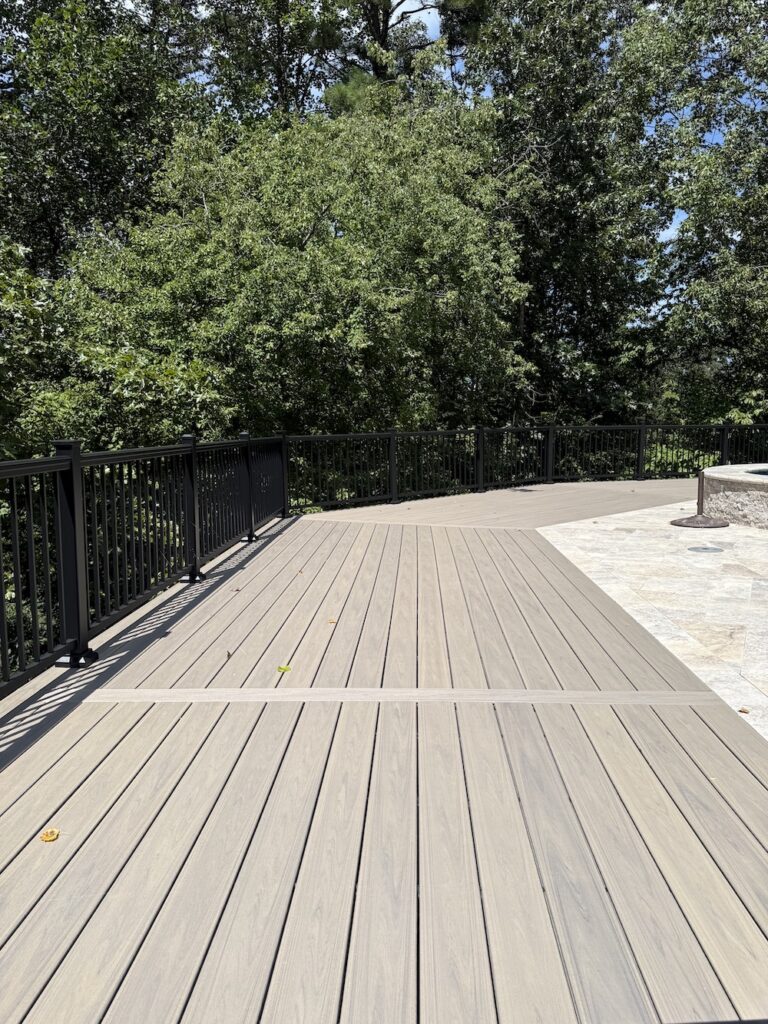
An outdoor kitchen or bar can make a backyard more useful for cooking, dining, and entertaining. However, these areas can sometimes feel too exposed, especially when they sit close to neighboring properties or face busy parts of the yard. A well-planned privacy screen can create a greater sense of separation without making the space feel closed off.
The right approach depends on how you use the area, the views around your property, and how much openness you want to maintain. From partial screening to decorative panels and slatted designs, there are several ways to add privacy while preserving natural light and airflow.
Create Separation Without Closing Off the Space
A privacy screen does not have to cover an entire side of an outdoor kitchen or bar. Partial screening can provide separation in the areas where it matters most while keeping the rest of the space open.
For example, a screen can sit along one edge of an outdoor kitchen to reduce direct views from a neighboring property. Another option is to place a shorter screen behind a seating area, creating a visual boundary without surrounding the entire space.
Placement is important. Look at the views from nearby homes, streets, patios, and other parts of your property. Identifying the areas where privacy is most needed can help you avoid unnecessary screening.
Add Privacy Around Seating and Dining Areas
Outdoor kitchens often become gathering spaces, with family and guests spending time around dining tables, built-in benches, or other seating. A privacy screen can help make these areas feel more comfortable, particularly when the seating faces a neighboring yard or an exposed section of the property.
Consider placing decorative panels behind a dining area or beside a built-in bench. The screen can create a defined backdrop while still allowing the seating area to connect visually with the rest of the outdoor space.
Planter boxes and planters can also complement a screen as decorative elements. Depending on the layout, greenery can soften the appearance of a screened area and help it blend with the surrounding outdoor features.
Define an Outdoor Bar Area
An outdoor bar can benefit from a more defined setting. Instead of treating the bar as an extension of the entire patio or deck, a privacy screen can help establish a separate entertaining area.
Slatted designs can work well when homeowners want some separation without completely blocking the surrounding environment. The spacing between slats can allow light and air to move through the area while creating a stronger visual boundary.
Decorative panels offer another approach. They can introduce patterns or architectural details that complement the home’s exterior. A screen can also serve as a backdrop for the bar, helping the area feel intentional rather than simply adding another structure to the yard.
Balance Privacy, Light, and Airflow
Privacy should not come at the expense of comfort. A fully enclosed outdoor kitchen or bar may feel different from the open-air environment many homeowners want. For this reason, consider how a privacy screen will affect sunlight, airflow, and views before deciding where to install one.
Slatted screens and partial panels can provide separation while retaining some openness. A screen placed strategically can block a direct sightline while leaving other directions unobstructed.
The position of the outdoor kitchen also matters. A screen that works well during one part of the day may affect sunlight at another time. Consider how the space is used throughout the day and where people typically sit, cook, or gather.
Choose a Design That Fits Your Outdoor Space
A privacy screen can serve both a practical and decorative purpose. Instead of viewing it only as a barrier, consider how it can complement the home’s exterior, deck, patio, outdoor kitchen, bar, or other features.
Different design approaches can create different visual effects. Some homeowners may prefer simple partial screening, while others may want decorative panels that become a focal point. Slatted designs can provide a more open appearance, while other panel arrangements can create a stronger sense of separation.
Before choosing a design, consider how the screen will look from inside the home, from the seating area, and from other parts of the yard. A well-integrated privacy screen should feel like part of the overall design rather than an afterthought.
Plan the Placement Around How You Use the Space
The most useful privacy solution starts with the layout. Consider where cooking takes place, where guests sit, how people move through the area, and which views you want to block or preserve.
A carefully planned privacy screen can give an outdoor kitchen or bar a more comfortable sense of separation while maintaining the openness that makes outdoor living appealing. The goal is not simply to block views. It is to create a space that feels private, welcoming, functional, and connected to its surroundings.
If you are considering privacy improvements for an outdoor kitchen, bar, deck, or patio, Top South Decks & Porches can help you discuss the possibilities for your space. Call (678) 488-6740 to talk about your outdoor privacy project and explore an approach that fits how you want to use your backyard.